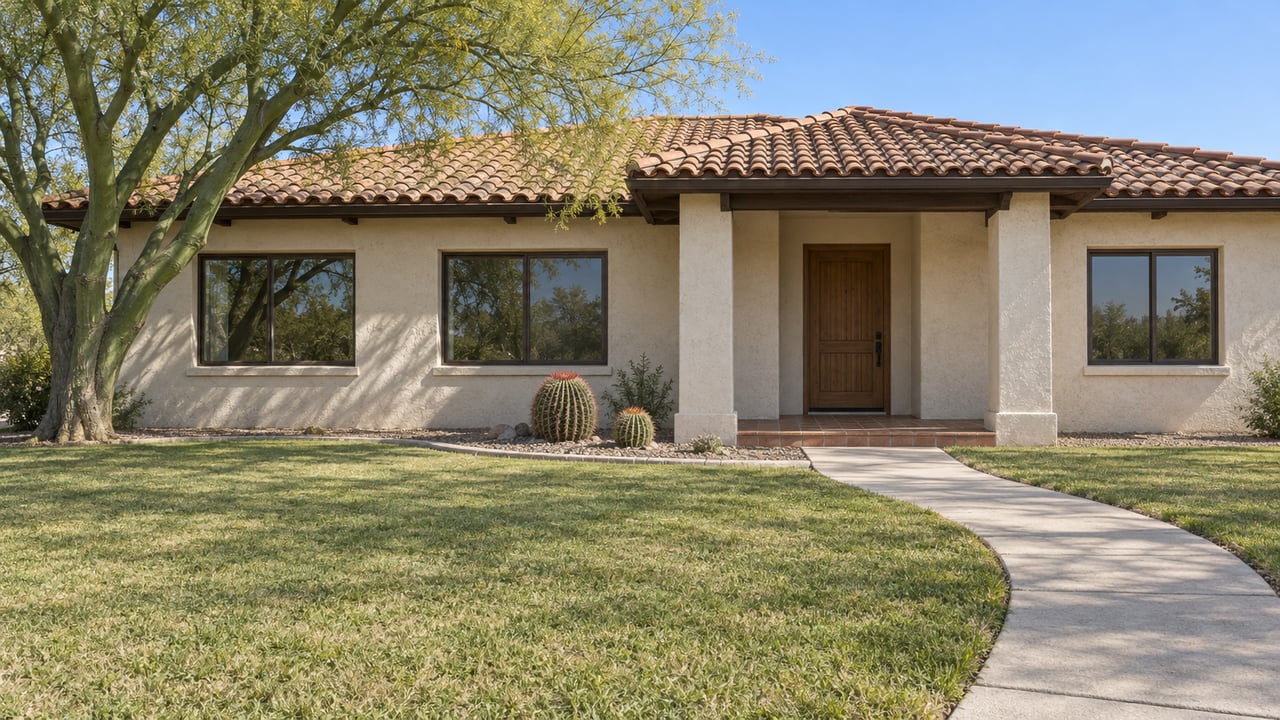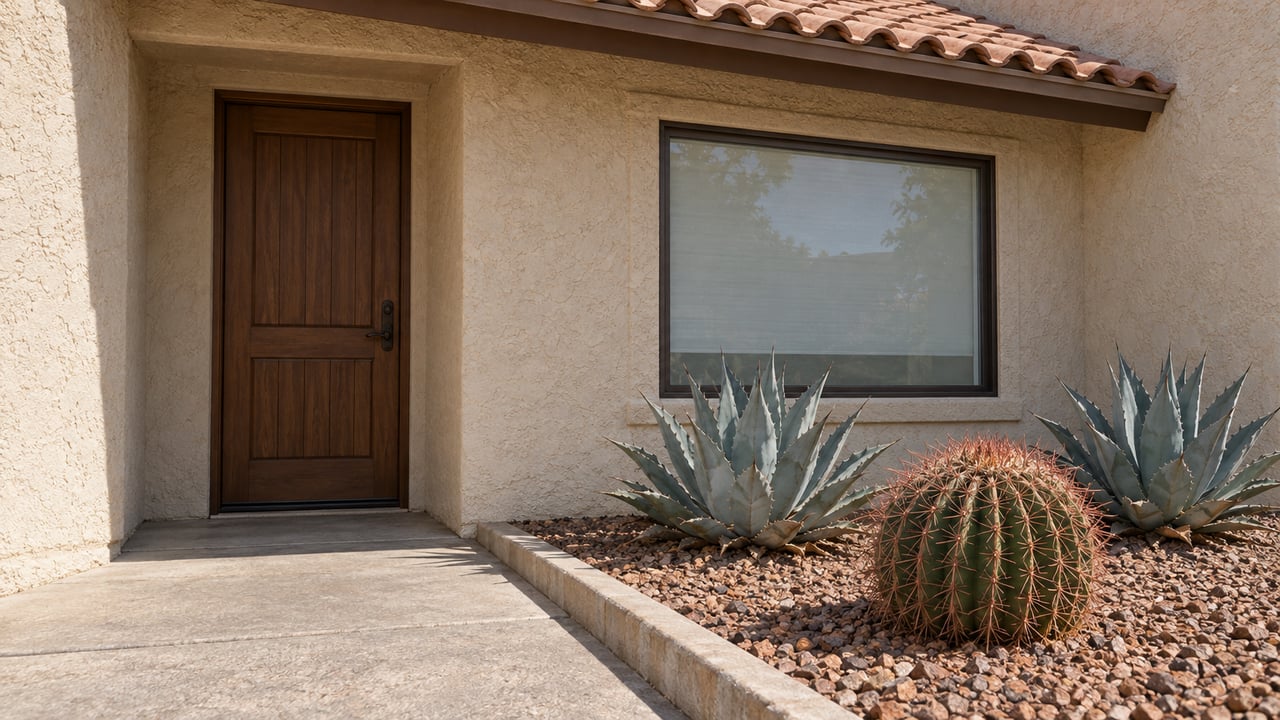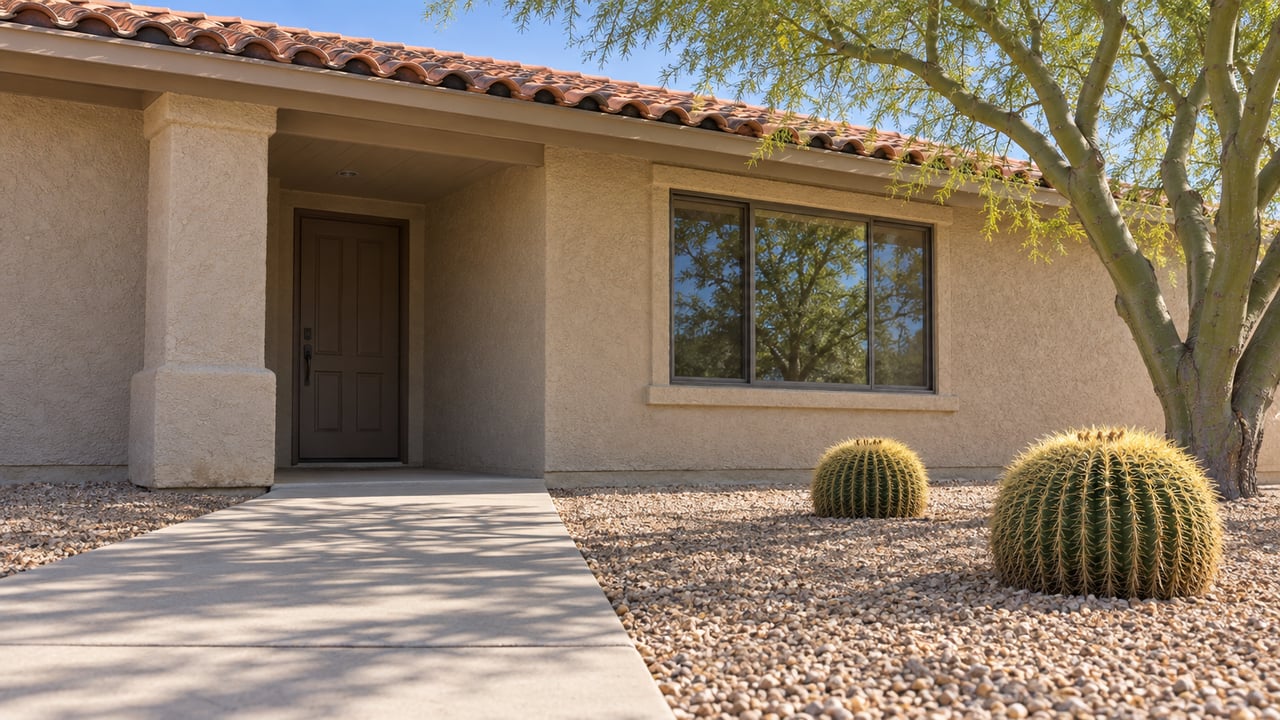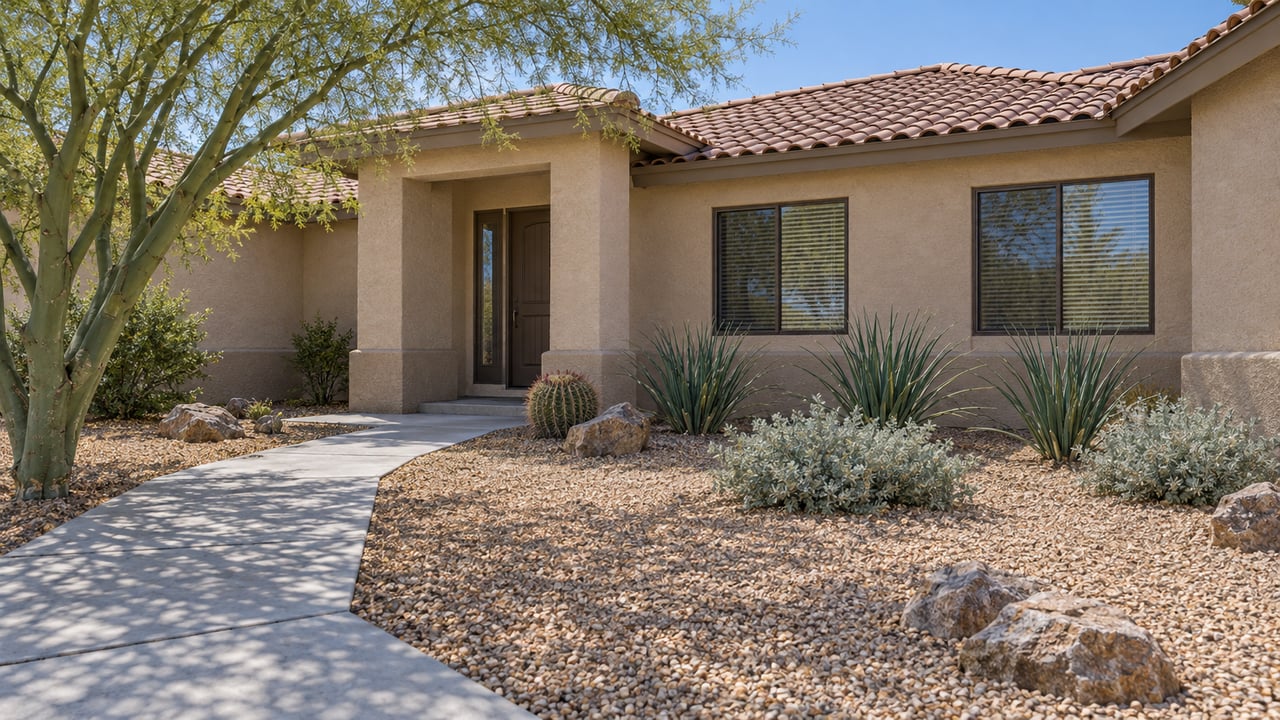
Buckeye homes are getting cheaper to buy this fall, but the sales prices mostly don't show it. Builders are paying to lower buyers' mortgage rates instead of cutting base prices. Across the Valley, most resale sellers are also covering closing costs or rate buydowns rather than reducing the price. Neither kind of discount appears in the recorded sales price. That explains why prices look steady while buyers gain leverage.
If you're weighing a new build in Buckeye against a resale a few streets away, compare the full deal, including what the seller pays at closing. One of the biggest builder offers in Buckeye right now has a deadline of October 31, so it's worth understanding how these deals work before then.
What a 3.99% Rate Costs, and Who Pays It
Mattamy Homes builds at Tyler Ranch, at 3866 S. 242nd Lane in Buckeye. Tyler Ranch appears on the community list for the builder's current Phoenix-area 2/1 buydown promotion. It advertises 3.99% in year one, 4.99% in year two, and 5.99% from year three onward on conventional, FHA, and VA loans.
The fine print explains the mechanics. The loan is a 5.99% fixed-rate mortgage. The first two years cost less because the seller puts money into a temporary buydown fund at closing. Mattamy's conventional example uses a $472,000 purchase price with 10% down, and the seller pays up to $9,418.68 into that fund. The FHA example goes up to $10,275.60, and the VA example is $10,810.56.
So the headline rate is really about $9,000 to $11,000 that the seller agrees to spend for you, paid in a form that lowers your first two years of payments and leaves the price alone. Starting in year three, you pay the full 5.99% rate.
The promotion also comes with conditions, according to Mattamy's terms:
- New contracts must be signed between October 2 and October 31, 2026, on select homes that close by November 30, 2026.
- The loans go through the builder's affiliated lender, Mattamy Home Funding, and the homes must be owner-occupied.
- The rate lasts only until a pool of locked funds runs out.
- For the VA version, the terms add more conditions. You must pre-apply with the affiliated lender before you submit an offer and use the closing agent the seller picks, and the offer can't be combined with other incentives unless an incentive addendum allows it.
None of these conditions is unusual. They do mean the 3.99% rate depends on which lender you use and how fast the home can close.
Buckeye's Builder Offers With an October 31 Clock
Mattamy isn't the only builder in Buckeye using rates instead of prices. Here's what the builders' own pages showed in mid-October:
| Builder and Buckeye communities | What's advertised | Key terms |
|---|---|---|
| Mattamy Homes, Tyler Ranch | 2/1 buydown, 3.99% / 4.99% / 5.99% | Contracts 10/2 to 10/31/2026, close by 11/30/2026, affiliated lender, select homes |
| KB Home, Mesquite at Teravalis, The Traditions at Teravalis, Mystic Vista Enclaves, Mystic Vista Traditions | 5/1 FHA ARM as low as 4.99%, 5.781% APR | Purchase agreement by 10/31/26, financing through KBHS, select homes, some communities may be excluded |
| DRB Homes, Apache Farms and Sienna Park | "Special 3.99% Rate Promotion" | Terms are listed on the community pages |
KB Home's offer page also describes a $5,000 closing-cost credit paid as a seller contribution. It lists a rate effective date of September 24, 2026 and requires a rate lock within 30 days. Teravalis's builder page lists Mesquite at Teravalis starting in the "mid 300's" and The Traditions at Teravalis starting in the "Low 300's."
These offers fit a pattern across the Valley. In a Sept. 27, 2026 Arizona Republic report, Belfiore Analytics CEO Jim Belfiore said Phoenix-area builders were offering an average of more than $60,000 in lowered costs on a new house. Builders often prefer buydowns to base-price cuts because a lower recorded price becomes a comparable sale, and that comp affects appraisals for every later home in the same community.
Resale Sellers Are Writing the Same Checks
Builders aren't the only ones offering these deals. Resale sellers are making the same kind of offer.
In a late-September 2026 presentation reported by Ahwatukee Foothills News, Cromford Report analyst Tina Tamboer said 57% of September closings across the Valley included some kind of seller-paid concession. Among homes selling for $350,000 to $400,000, 71% of sales included concessions averaging nearly $11,000. More than 60% of sales between $275,000 and $600,000 included some type of concession.
Compare those numbers to Mattamy's offer. The builder's conventional buydown fund on a $472,000 home tops out around $9,400. Valley resale sellers in the $350,000 to $400,000 range were giving up nearly $11,000 on average in September. Those are Valley-wide figures, not Buckeye-only figures. Still, much of Buckeye's new-construction pricing falls in that same range, and the builder's discount and the typical resale concession are about the same size.
The difference is mostly in how the offer is presented. A builder advertises its concession as a rate. A resale seller's concession is usually negotiated after the offer comes in, and the buyer can choose how to use it. That choice can include a temporary rate buydown, because concessions cover closing-cost help, rate buydowns, and other incentives.
Tamboer's advice to sellers explains why many of them agree:
"You have to get your list price right."
She said homes selling within 15 days in 2026 generally got within about 1% of their original asking price. Homes listed for 31 to 60 days were more likely to get about 95%, usually after a price reduction and more negotiation.
Why the Median Hasn't Moved
These concessions explain why the price data looks so calm. ARMLS's September 2026 report shows a metro-wide median sales price of $450,000, the same as September 2025. Months of supply rose to 4.45, up from 3.98 a year earlier. More homes are available, but the typical price hasn't changed.
Tamboer's explanation, as reported by Ahwatukee Foothills News, is that concessions lower a buyer's cost "without necessarily appearing as a reduction in the recorded sales price," and that helps keep prices comparatively stable even as other measures show the market weakening. She also said the last three weeks of September had the lowest sales activity for those weeks in Cromford's data going back to 2014.
For a Buckeye buyer, this means a Teravalis listing priced in the low $300s and a resale with a similar price don't necessarily cost the same once the concessions are counted. Neither does a resale that sold for $10,000 more than another. The recorded price doesn't show how much of the cost the seller covered.
Putting a New Build and a Resale on the Same Page
Once you see that both kinds of sellers are discounting through concessions, comparing a new build with a resale gets more concrete. Here's what to set side by side for each home:
- The seller's dollar contribution. Put the builder's buydown fund or closing credit next to the concession a resale seller is willing to offer.
- The payment in year three. A 2/1 buydown ends after two years, so compare payments at the full note rate.
- What the offer requires. Builder rates usually depend on the affiliated lender and a closing deadline, and some versions add more conditions. A resale concession usually doesn't come with those strings.
- Time on market for the resale. Based on the Cromford numbers above, a home listed for a month or more may have a seller more open to concessions than its asking price suggests.
- Whether the advertised home qualifies. KB and Mattamy both limit their offers to select homes, and builder pages can change at any time.
Rates, loan programs, and how much a seller can contribute depend on your lender and loan type. This post is general information, not legal, tax, or financial advice, so confirm your own situation with a licensed lender or other qualified professional before you sign.
A Few Questions That Come Up Often
Can a resale seller pay for a rate buydown the way a builder does? Yes. Cromford counts rate buydowns as one of the forms seller concessions take in the Valley, along with closing-cost help. How much a seller can contribute depends on the loan program, and Mattamy's own VA terms note that maximum seller contributions apply.
Is October 31 a hard deadline for these builder offers? It's the date printed on both the Mattamy and KB offer pages. Mattamy's rate can also end sooner if its pool of locked funds runs out, and builder offer pages can change, so check with the builder before you count on the offer.
Do these Valley concession numbers apply to Buckeye specifically? The 57% and 71% figures from Cromford are Valley-wide numbers for September 2026. They describe the market Buckeye sellers are in, but individual Buckeye neighborhoods could be higher or lower.
When I sit down with Buckeye buyers comparing a builder's rate promotion with a resale, the first thing we do is add up what each seller is actually paying and what the payment looks like in year three. If you'd like help running those numbers on a Tyler Ranch home, a Teravalis plan, or a resale nearby before October 31, Catherine Abeel is happy to go through it with you step by step. Let's Connect.